Search

Food safety begins long before a product reaches the consumer. Every surface within a food processing facility, industrial kitchen, cold storage area, or refrigerated transport vehicle plays a critical role in preventing contamination and maintaining hygienic conditions. While HACCP programs traditionally focus on processes, monitoring, and corrective actions, the physical environment itself is equally important in controlling food safety hazards.
One often-overlooked aspect of hygienic design is the selection of wall and ceiling surfaces. Damaged, porous, or difficult-to-clean surfaces can become reservoirs for bacteria, mold, and other contaminants, undermining even the most rigorous sanitation programs. As a result, food manufacturers, catering operations, and logistics providers are increasingly turning to HACCP International certified Fibre Reinforced Plastic (FRP) wall cladding systems to improve hygiene performance and reduce food safety risks.
Why Surface Design is Crucial in HACCP Systems
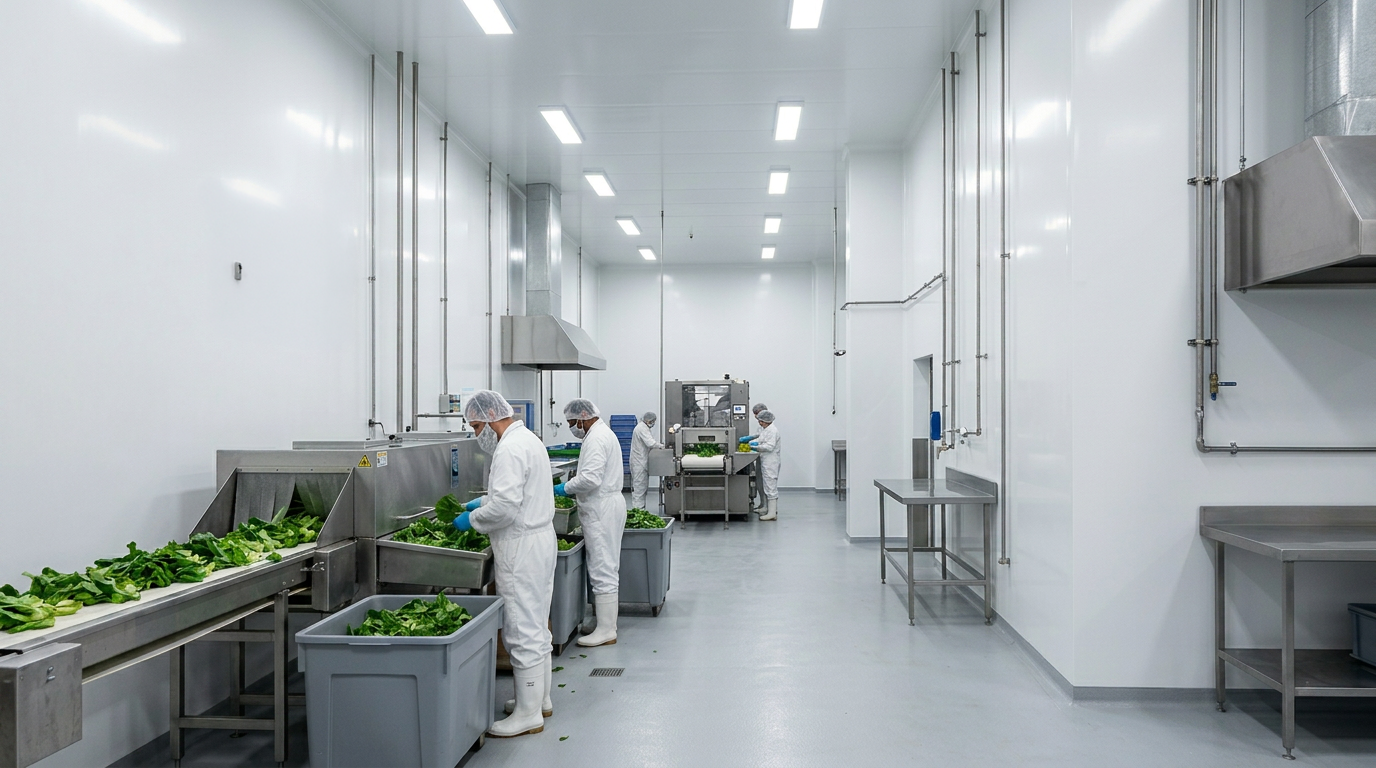
The HACCP methodology is based on identifying and controlling potential hazards before they affect product safety. While critical control points are typically associated with production processes, facility design also contributes significantly to hazard prevention.
Walls and ceilings in food environments are exposed to moisture, temperature fluctuations, cleaning chemicals, impact damage, and daily wear. Conventional materials such as painted plaster, coated panels, or ceramic tiles may develop cracks, chipped surfaces, deteriorated joints, or damaged grout lines over time. These defects can create areas where dirt, moisture, and microorganisms accumulate, making effective cleaning increasingly difficult.
From an HACCP perspective, surfaces should
- Smooth and non-porous
- Easy to clean and disinfect
- Resistant to moisture and chemicals
- Durable under operational conditions
- Designed to minimize microbial harborage points
When these requirements are met, cleaning procedures become more effective and the risk of contamination can be significantly reduced.
The Advantages of FRP Wall Cladding
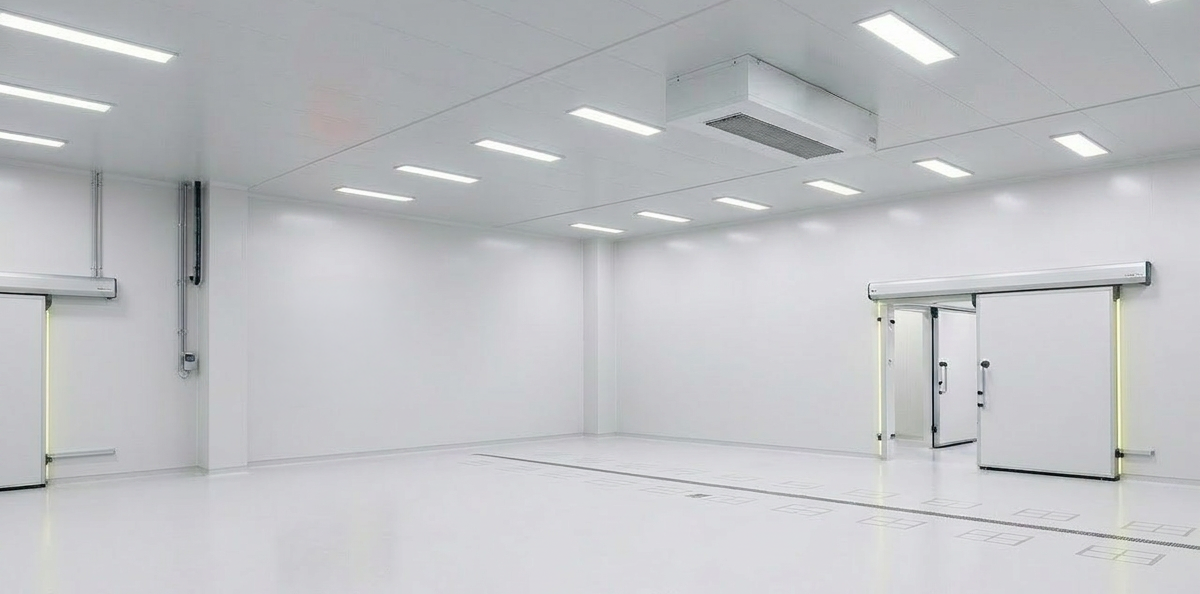
FRP wall cladding has become a preferred solution in hygienically sensitive environments because it combines durability with excellent cleanability.
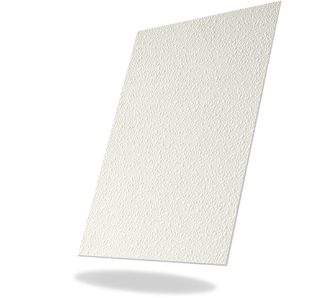
Manufactured from reinforced composite materials, FRP sheets provide a seamless, non-absorbent surface that withstands demanding operational conditions. Unlike traditional wall finishes, FRP cladding does not crack, flake, or absorb moisture, helping maintain hygienic integrity throughout its service life.
Key benefits include:
Moisture Resistance
Water intrusion is one of the primary causes of hygiene issues in food facilities. FRP cladding forms a moisture-resistant barrier that prevents water penetration behind wall surfaces and reduces the risk of mold growth and structural deterioration.
Easy Cleaning and Sanitation
The smooth, non-porous surface allows cleaning agents and disinfectants to work effectively without penetrating the material. This supports sanitation protocols and helps achieve consistent cleaning results.
Chemical Resistance
Food processing environments often require aggressive cleaning and disinfection procedures. FRP cladding is resistant to many commonly used cleaning chemicals, ensuring long-term performance without surface degradation.
Impact Resistance
Forklifts, carts, trolleys, and daily operations can cause damage to conventional wall materials. FRP sheets offer excellent impact resistance, helping maintain surface integrity and reducing maintenance requirements.
Long Service Life
Durable hygienic surfaces reduce the need for repairs and replacement, minimizing downtime and preventing the hygiene risks associated with damaged wall systems.
Large-Formats for Reduced-Joint Surface
A key advantage of FRP wall cladding is the ability to cover large wall areas with minimal joints. The availability of large-format panels allows for the creation of surfaces with significantly fewer seams and connection points, helping to reduce potential areas where dirt, moisture, and microorganisms can accumulate.
This results in a more hygienic surface that is easier to clean and maintain, while supporting hygienic design principles and reducing food safety risks.
Applications in Food Processing Facilities
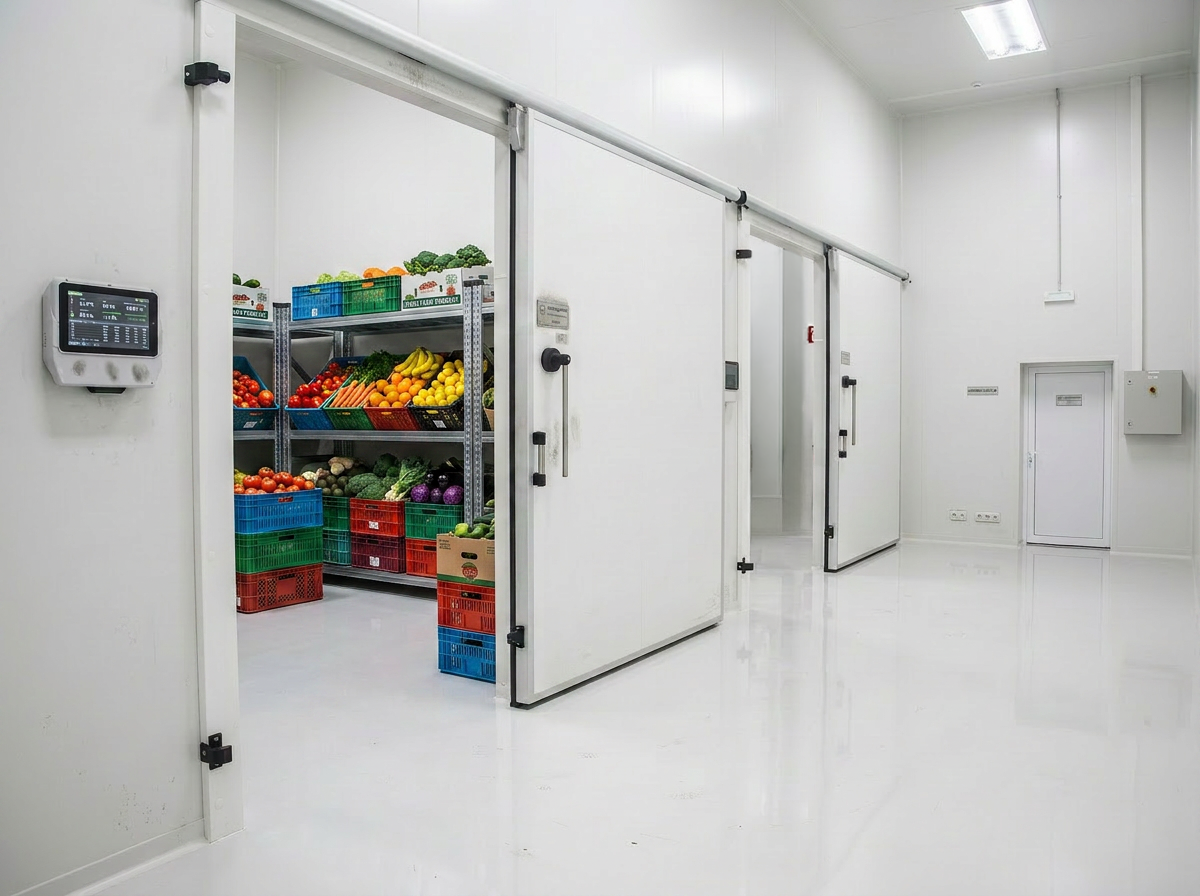
Food processing plants require strict environmental control to protect products from contamination. Hygienic wall cladding is particularly important in areas such as:
- Raw material handling zones
- Processing and packaging rooms
- Dairy and beverage production areas
- Meat and poultry facilities
- Seafood processing plants
- Cold storage and freezer rooms
In these environments, washable and durable wall systems support cleaning procedures while helping facilities comply with HACCP requirements and customer audit expectations.
Industrial Kitchens and Catering Operations
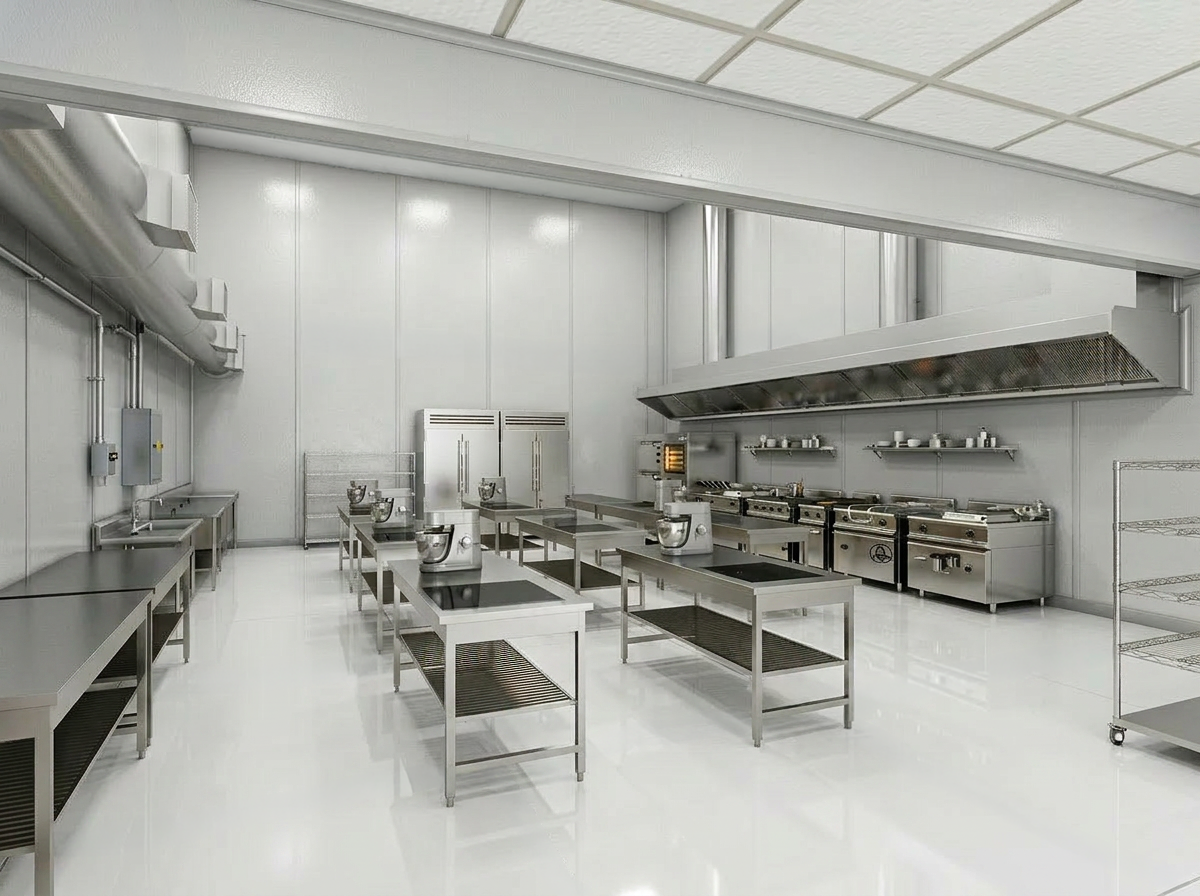
Commercial kitchens face particular hygiene challenges due to high humidity, grease exposure, temperature fluctuations and intensive cleaning cycles.
Wall surfaces must be able to withstand frequent washing and disinfection and at the same time be easy to inspect and maintain. HACCP International certified FRP cladding offers a practical solution here, as it provides smooth, robust surfaces that support effective cleaning and reduce hidden contamination points.
For catering companies, community catering and food service businesses, hygienic wall systems contribute to safer food preparation environments and facilitate compliance with food regulations.
Refrigerated Transport: Extending Food Safety Beyond the Facility

Food safety does not end when products leave the processing plant. Refrigerated transport vehicles are an essential link in the cold chain and must maintain hygienic conditions throughout distribution.
Vehicle interiors are exposed to:
- Condensation and moisture
- Frequent cleaning cycles
- Mechanical impact from loading and unloading
- Temperature variations
Damaged or porous interior surfaces can become contamination sources that compromise product safety during transportation.
FRP cladding systems are widely used in refrigerated trucks, trailers, and insulated transport bodies because they provide lightweight, durable, and easy-to-clean surfaces. Their resistance to moisture and cleaning chemicals helps maintain hygienic conditions throughout the vehicle's operational life.
The Importance of HACCP International certified Cladding Materials
Not all wall cladding materials are equally suitable for food-contact environments. HACCP International certification provides independent verification that a product has been assessed for its suitability in hygienically sensitive applications.
For facility operators, specifying HACCP-certified materials offers several advantages:
- Demonstrates commitment to food safety best practices
- Supports compliance during customer and regulatory audits
- Provides confidence in material suitability for hygienic environments
- Contributes to a documented food safety management system
Selecting certified materials helps ensure that hygienic design principles are incorporated into the facility infrastructure itself, creating an additional layer of protection against contamination risks.
POLYDET® FRP Cover Sheets: Designed for Hygienic Environments
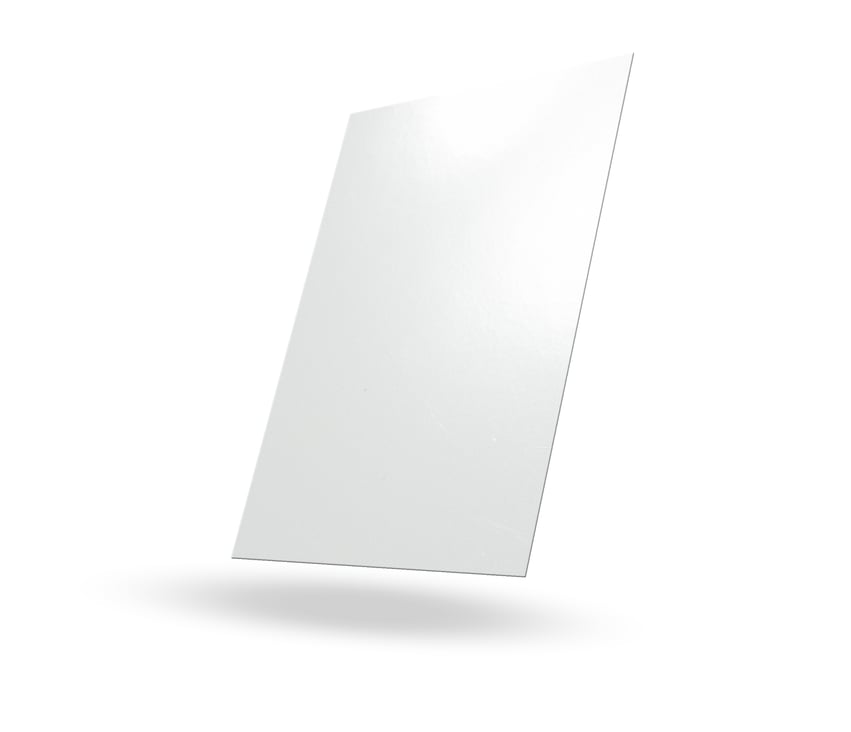
POLYDET® FRP Cover Sheets have been developed specifically for demanding hygienic applications in food processing facilities, industrial kitchens, cold storage areas, and refrigerated transport vehicles.
Their HACCP-certified construction upports food safety programs by providing smooth, non-porous, durable, and easy-to-clean wall surfaces that withstand moisture, cleaning chemicals, and daily operational demands.
By combining hygienic design principles with long-term durability, POLYDET® helps facility operators create environments that support effective sanitation, reduce maintenance requirements, and contribute to safer food production and transportation.
Conclusion
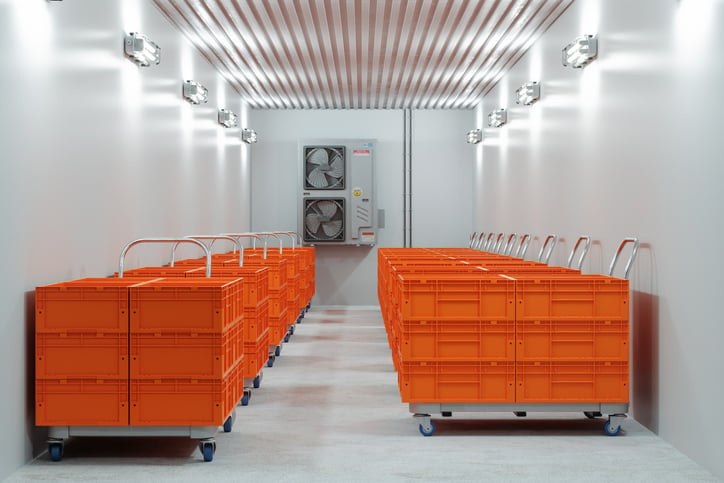
Food safety depends on more than procedures and monitoring systems. The design and condition of facility surfaces play a fundamental role in preventing contamination and supporting effective sanitation practices.
HACCP International certified FRP wall cladding provides a practical solution for food manufacturers, commercial kitchens, and refrigerated transport operators seeking to reduce food safety risks and improve hygienic performance. By investing in durable, easy-to-clean surface systems, organizations can strengthen their food safety programs and create cleaner, safer environments throughout the food supply chain.


 +49 (0)37421 494-0
 info@optiplan.eu